


In the world of filmmaking, the camera stopping doesn’t mean the work is complete. In fact, one of the most important phases begins after the shoot ends is post production.
So, what is post production? It is the stage where all the footage, audio, graphics, and effects are refined and assembled into the final version of a film or video. From film editing and sound design to color grading and visual effects, post-production helps transform raw material into a polished cinematic experience.
Whether it’s a feature film, advertisement, music video, or digital campaign, the Finalization stage process shapes the final quality of the content. It bridges the gap between production and audience-ready storytelling.
What Is Post Production in Films?
Post-production in film refers to the process that takes place after principal photography is completed. Once the raw footage is captured, editors, sound designers, VFX artists, and colourists begin refining the material into a cohesive story.
This stage is essential in modern cinema because it determines pacing, mood, visual consistency, and emotional impact. Even the best visuals captured on-set require Finalization stage to fully come alive.
This process involves multiple technical and creative departments working together in a highly collaborative environment.

Pre-Production vs Production vs Post-Production
To better understand post-production, it’s important to see where it fits within the overall production process.
Pre-Production
This is the planning stage:
- Script development
- Storyboards and shot planning
- Budgeting and scheduling
- Creating shot lists
Production
This is the actual shoot phase:
- Cameras rolling on-set
- Actors performing scenes
- The cinematographer capturing visuals
- Multiple takes being recorded
Post-Production
This is where everything gets refined:
- Edit the footage
- Add music and sound effects
- Perform colour grading and VFX
- Prepare the final cut for release
Together, these three phases form the complete filmmaking process.
The Post-Production Workflow Explained
A professional workflow follows a structured path to ensure smooth execution and high-quality output.
1. Organizing Raw Footage
The first step is sorting and managing all the raw footage captured during filming. Editors assemble clips into a manageable structure for the next stage.
2. Rough Cut Editing
The editor creates a rough cut, arranging scenes according to the script and storytelling flow. This stage focuses on pacing, scene selection, and narrative structure.
3. Picture Editing
Once the structure is finalized, picture editing begins. This includes:
- Trimming scenes
- Refining transitions
- Syncing visuals and audio
- Improving continuity
When the picture is locked, no more major visual changes are made.
4. Sound Design & Sound Editing
Audio plays a massive role in storytelling. Sound design enhances atmosphere and emotional depth using:
- Background ambience
- Dialogue cleanup
- Sound effects
- Foley recordings
Professional sound designers and sound engineers work together to create immersive audio experiences.
5. Sound Mixing
During sound mixing, dialogue, music, and effects are balanced together. Engineers may also re-record or dub specific lines using ADR (Automated Dialogue Replacement).
This stage ensures the final audio sounds polished across theatres, mobile devices, and OTT platforms.
Color Grading & Colour Correction
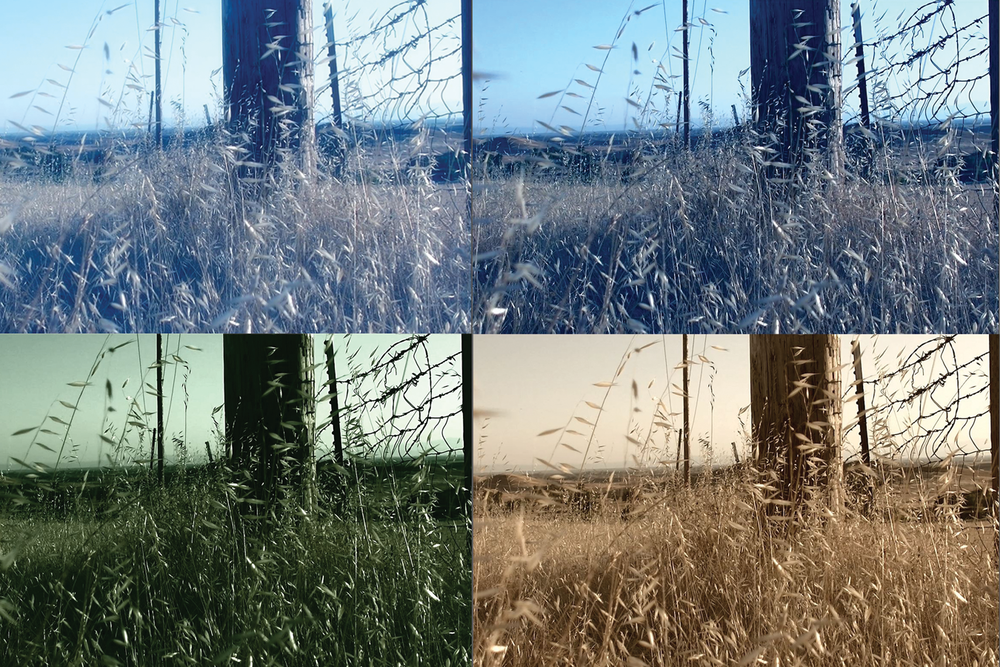
One of the most visually impactful stages of film post-production is color grading.
What Is Color Grading?
Color grading adjusts tones, saturation, contrast, and hue to create a specific visual mood. It helps establish atmosphere and visual consistency throughout the project.
For example:
- Warm tones create emotional intimacy
- Cooler tones create tension or drama
- High contrast creates cinematic depth
Colour Correction vs Colour Grading
Although often confused, these are different processes:
- Colour correction fixes exposure and white balance issues
- Colour grading creates the artistic visual style
Professional colourists use advanced tools to ensure every frame looks cinematic and polished.
VFX & Visual Effects in Post-Production
Modern filmmaking heavily depends on VFX and visual effects.
What Are Visual Effects?
Visual effects involve digitally enhancing scenes or creating elements that couldn’t be captured practically during filming.
Examples include:
- Explosions
- CGI environments
- Screen replacements
- Motion tracking
- Computer-generated imagery
A skilled VFX artist can seamlessly integrate digital elements into live footage.
Motion Graphics & Graphics
Many projects also require:
- Animated titles
- Opening credits
- Logo animations
- Motion graphics for commercials and branded videos
These graphic elements help elevate storytelling and brand identity.
Post-Production Software Used in Filmmaking
The modern post workflow depends heavily on advanced editing software and creative tools.
Popular post-production software includes:
- Adobe Premiere Pro for video editing
- Final Cut Pro for professional editing workflows
- Pro Tools for sound editing and sound mixing
- VFX and CGI software for adding effects
Tools like Adobe Premiere allow editors to assemble footage efficiently while maintaining flexibility during revisions.
Why Post-Production Is Important in Video Production
In both cinema and digital video production, it is where storytelling truly takes shape.
Without post-production:
- Scenes feel incomplete
- Audio lacks impact
- Visual consistency is lost
- Storytelling feels disconnected
A strong post-production workflow helps:
- Improve pacing
- Enhance emotional impact
- Maintain visual quality
- Create audience engagement
Even simple edits can completely transform the final output.
Challenges in the Post-Production Process
This can often become highly time-consuming, especially for large projects.
Common challenges include:
- Managing multiple takes
- Organizing huge amounts of footage
- Matching sound and visuals
- Coordinating between departments
- Maintaining consistency across scenes
This is why filmmakers and editors must constantly collaborate throughout the workflow.

Raka Entertainment & Professional Post-Production Services
For brands and creators looking for professional post-production solutions, Raka Entertainment provides end-to-end creative execution.
Our team specializes in:
- Professional video editing
- Cinematic color grading
- Audio enhancement and sound mixing
- VFX and motion graphics integration
From branded campaigns and music videos to commercial shoots, our Finalization stage workflow ensures every project is visually refined and platform-ready.
How Post-Production Shapes the Final Product
The success of any film or campaign often depends on how well the content is refined after the shoot.
Through editing, sound, and visual enhancement:
- Improve storytelling clarity
- Create emotional depth
- Enhance visual quality
- Prepare content for theatrical release, digital platforms, or OTT streaming
It’s the stage where creative ideas are polished into a professional final product.
Final Thoughts:
Understanding what is post production in films helps reveal how much work happens after the camera stops rolling. From film editing and sound design to VFX, colour grading, and motion graphics, post-production is the backbone of modern storytelling.
A strong Finishing process doesn’t just improve visuals it strengthens emotion, pacing, and audience experience. Whether it’s a film, advertisement, or digital campaign, effective Finalization stage helps creators deliver content that feels immersive, polished, and impactful.
