


If you’re searching for how to become a VFX artist, you’re likely drawn to the magic behind blockbuster films, OTT series, and high-end game cinematics. From realistic explosions to futuristic cities, VFX professionals shape what audiences believe is real.
The good news? You don’t need a conventional academic path. What you truly need is skill, consistency, and a strong portfolio.
Let’s break down everything step by step.
Who Is a VFX Artist?

A VFX artist (Visual Effects artist) enhances live-action footage using digital techniques. They create or integrate elements like fire, smoke, environments, creatures, destruction, and simulations into filmed content.
Unlike pure animators who build scenes entirely from scratch, VFX artists focus on blending digital elements seamlessly into real footage. Their job is to make the unreal look believable.
They often collaborate with:
- Directors
- Cinematographers
- Animators
- 3D modelers
- Compositors
How to Become a VFX Artist
If you want clarity on how to become a VFX artist, follow this structured path:
1. Understand the Basics of Visual Effects
Start by learning:
- Compositing fundamentals
- Camera tracking
- Rotoscoping
- Green screen workflows
- Lighting and color matching
Without strong fundamentals, advanced tools won’t help.
2. Learn Industry-Standard Software
Professional VFX artists typically use:
- Houdini (FX simulations)
- Autodesk Maya (3D modeling & animation)
- Nuke (Compositing)
- Adobe After Effects (Motion graphics & compositing)
- Unreal Engine (Virtual production & real-time rendering)
You don’t need to learn everything at once. Start with compositing tools and gradually move toward simulations or 3D workflows.
3. Practice With Real Footage
Download free stock footage and practice adding effects.
For example:
- Add rain to a sunny scene
- Insert a 3D object into real footage
- Create simple explosion simulations
Practical experience builds confidence faster than theory.
Skills Required to Become a VFX Artist
To succeed in this field, you need both creative and technical strengths.
Creative Skills
- Strong observation skills
- Understanding of light and shadow
- Sense of realism
- Attention to detail
Technical Skills
- Compositing workflows
- CGI fundamentals
- Physics-based simulations
- Rendering pipelines
Problem-solving is crucial because most production challenges require technical adjustments under tight deadlines.
Career Path of a VFX Artist
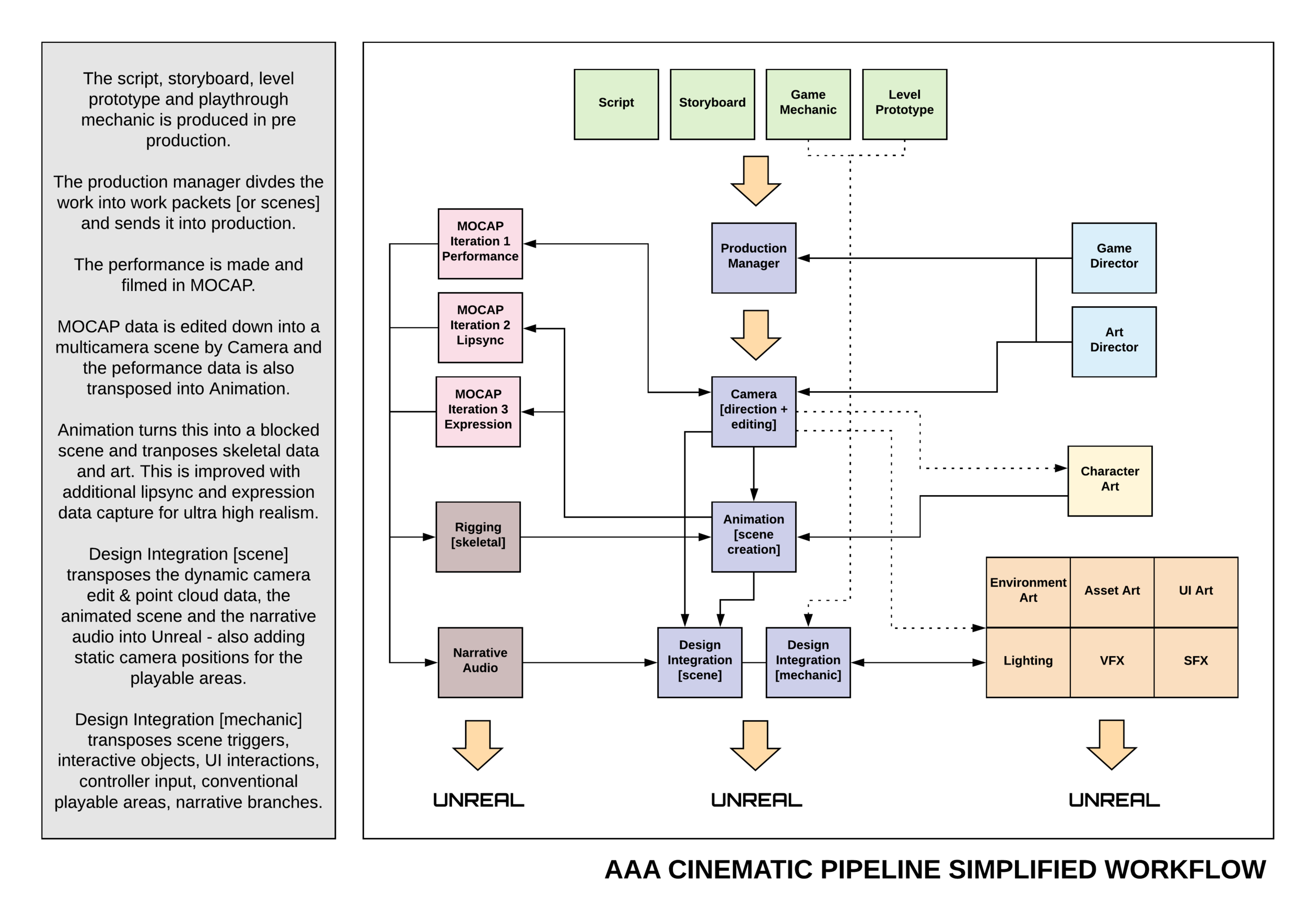
Once you understand how to become a VFX artist, the next step is career growth.
Typical progression:
- VFX Intern / Trainee
- Junior Artist
- Mid-Level Artist
- Senior Artist
- Lead / VFX Supervisor
VFX professionals work in:
- Film studios
- OTT production houses
- Advertising agencies
- Gaming studios
- Virtual production setups
The global demand continues to grow due to streaming platforms and high-quality digital content.
Salary Expectations
The salary of a VFX artist depends on:
- Experience
- Location
- Studio size
- Project complexity
Beginners typically earn entry-level pay, while experienced artists working on international films or AAA games command significantly higher salaries.
Freelancing is also a popular option, allowing flexible project-based income.
Build a Strong Showreel (Your Most Important Asset)
If you’re serious about learning how to become a VFX artist, remember this:
Your showreel matters more than your certificate.
Keep it:
- Short (1–2 minutes)
- Focused on your best work
- Clearly labeled by contribution
- High-quality only (no weak projects)
Upload your work on professional platforms like ArtStation or LinkedIn to increase visibility.
Free vs Paid Learning
You can begin with:
- Free YouTube tutorials
- Community forums
- Practice projects
However, structured courses can:
- Provide mentorship
- Offer industry workflows
- Improve discipline
- Speed up learning
Choose based on your learning style and budget.
Difference Between Animation and VFX
Understanding this distinction improves your career clarity.
- Animation creates motion from scratch.
- VFX enhances or extends live-action footage.
An animator builds characters and scenes.
A VFX artist integrates effects like fire, destruction, and environments into filmed shots.
Both fields overlap but require different specialization paths.
How to Enter the VFX Industry Successfully
Here’s a practical action plan:
- Master one specialization first (compositing or FX)
- Build 3–5 strong portfolio projects
- Apply for internships
- Network on LinkedIn
- Join VFX communities
- Stay updated with new tools and workflows
Consistency beats talent in this industry.
Is VFX a Good Career in 2026 and Beyond?
Absolutely.
With the rise of:
- OTT platforms
- High-budget web series
- Gaming cinematics
- Virtual production
- Real-time rendering
The need for skilled VFX professionals is expanding globally.
If you enjoy combining creativity with technology, this field offers long-term growth, global opportunities, and creative satisfaction.
Final Thoughts
Learning how to become a VFX artist is not about shortcuts. It’s about mastering fundamentals, building real projects, and continuously upgrading your skills.
Start small.
Practice daily.
Build consistently.
With dedication and the right learning path, you can establish a strong career in the visual effects industry and see your work come alive on screen.
