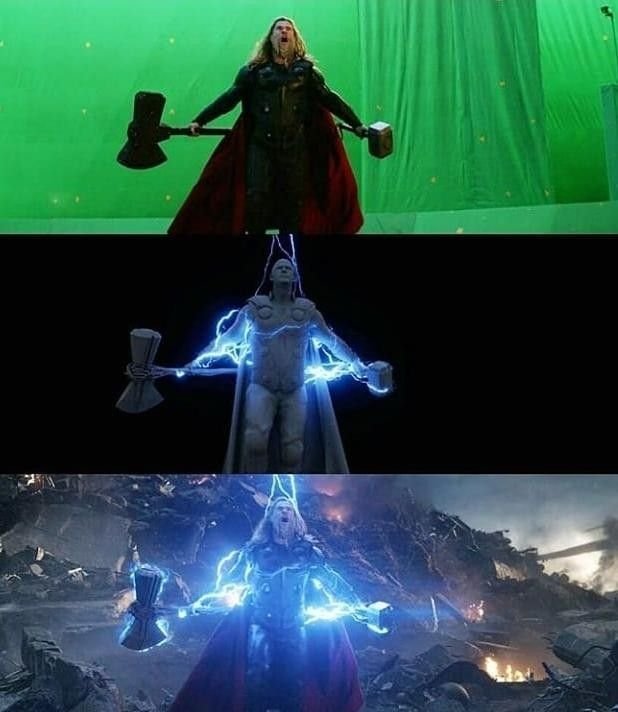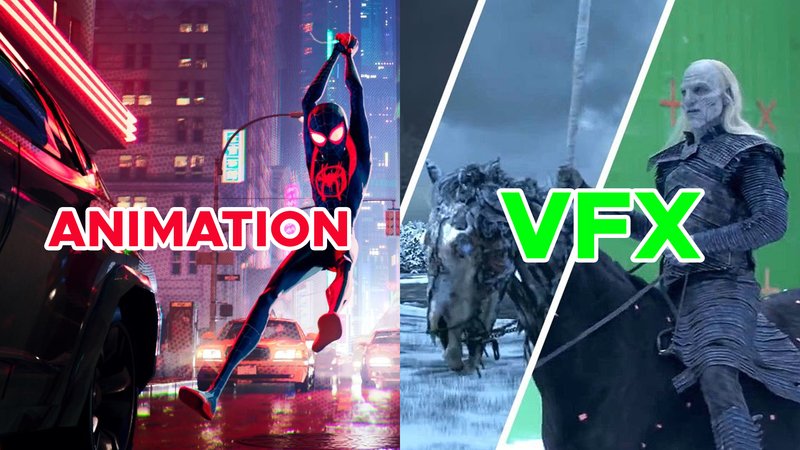
The difference between animation and visual effects is one of the most common questions asked by aspiring filmmakers, designers, and businesses planning creative projects. Although both techniques help create engaging visual experiences, they serve very different purposes in filmmaking and digital content creation.
Animation creates movement from scratch using illustrations, 2D graphics, or 3D models. Visual effects (VFX), on the other hand, enhance or manipulate real-life footage by adding digital elements that couldn’t be captured during filming.
Both disciplines are essential in modern entertainment, advertising, gaming, and commercial production. Understanding how they differ helps brands choose the right approach for their projects.
What Is Animation?
Animation is the process of creating the illusion of movement by displaying a sequence of images or digitally generated objects. Instead of recording live-action footage, artists build scenes frame by frame or through computer-generated models.
Today, animation is widely used for:
- Animated films
- Product explainers
- Brand videos
- Educational content
- Mobile applications
- Social media campaigns
- Video games
Unlike live-action production, every character, object, and environment is intentionally created by artists and animators.
Types of Animation
Animation has evolved significantly over the years, with several styles serving different creative needs.
2D Animation
Two-dimensional animation uses flat illustrations and graphics. It’s commonly used in explainer videos, advertisements, educational videos, and motion graphics.
3D Animation
Three-dimensional animation creates realistic objects with depth and movement. It is widely used in films, architectural visualization, gaming, and product visualization.
Motion Graphics
Motion graphics combine animated text, icons, and graphic elements to simplify information. Brands frequently use this style for presentations, social media content, and corporate videos.
Stop Motion Animation
Stop motion involves photographing physical objects frame by frame to create movement. Although time-consuming, it delivers a unique handcrafted appearance.
What Are Visual Effects?
Visual effects, commonly known as VFX, involve enhancing or manipulating live-action footage using digital technology.
Instead of creating an entire scene from scratch, VFX artists integrate computer-generated elements into footage captured by a camera.
Visual effects are commonly used to create:
- Explosions
- Fantasy environments
- Weather effects
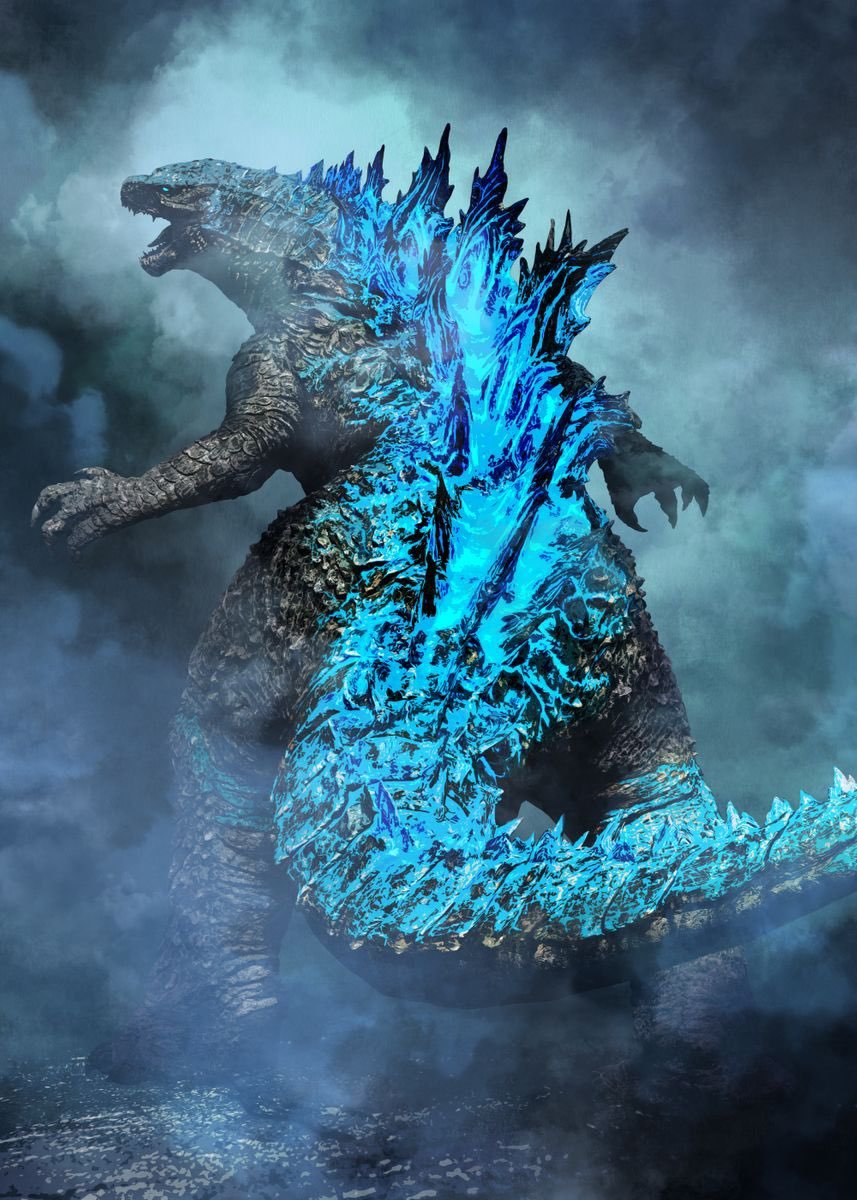
- Creature animation
- Digital crowds
- Green screen replacements
- Futuristic cityscapes
Most blockbuster films rely heavily on VFX to create scenes that would otherwise be impossible or unsafe to film.
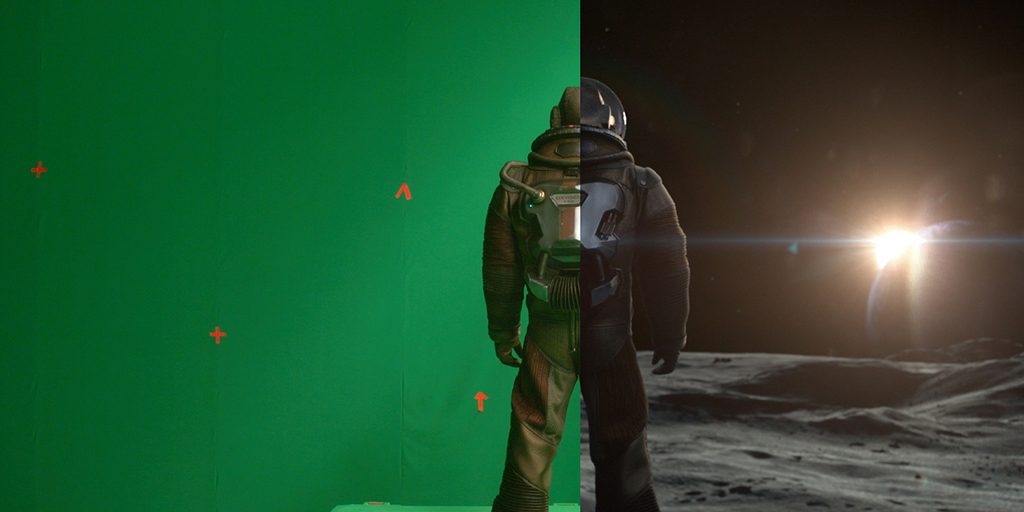
Difference Between Animation and Visual Effects
Although animation and VFX often work together, they begin from different creative foundations.
| Animation | Visual Effects |
|---|---|
| Creates scenes from scratch | Enhances existing footage |
| Characters are digitally created | Live-action footage is digitally enhanced |
| Can exist without real cameras | Requires filmed footage in most projects |
| Used for cartoons, explainers, and games | Used in films, commercials, and action sequences |
| Focuses on creating movement | Focuses on blending reality with digital elements |
Simply put, animation builds an entire world, while visual effects improve or extend the real one.
How Animation and VFX Work Together
Many modern productions combine both techniques.
For example:
- A superhero movie may use animation to create a digital creature while using VFX to place it naturally into a live-action scene.
- An advertisement might include animated product graphics together with digitally enhanced lighting and reflections.
- A commercial for a smartphone may feature animated interface elements alongside visual effects that create dramatic transitions.
The combination creates richer and more immersive storytelling.
Applications Across Industries
Animation and VFX are no longer limited to Hollywood films. Businesses across industries now use them to improve communication and audience engagement.
Entertainment
Movies, television series, OTT platforms, and music videos frequently combine animation and visual effects.
Advertising
Brands use animated graphics and VFX to make commercials more memorable and visually engaging.
Education
Animated explainers simplify complex concepts, making learning easier.
Healthcare
Medical animation helps explain treatments and surgical procedures.
Architecture
3D animation visualizes buildings before construction begins.
Gaming
Entire virtual worlds are created through advanced animation techniques.
Choosing Between Animation and Visual Effects
The right choice depends entirely on your project goals.
Choose animation if you want to:
- Explain a concept
- Create fictional characters
- Produce educational content
- Develop product demonstrations
- Build animated brand videos
Choose visual effects if you need to:
- Enhance live-action footage
- Add realistic digital environments
- Remove unwanted objects
- Create cinematic action sequences
- Improve production quality
In many cases, combining both techniques delivers the strongest results.
Why Businesses Use Animation and Visual Effects
Modern audiences expect visually engaging content.
Animation and VFX help businesses:
- Capture attention quickly
- Increase audience engagement
- Improve storytelling
- Simplify complex ideas
- Strengthen brand identity
- Produce high-quality marketing campaigns
Whether launching a new product or creating a corporate film, these creative techniques help brands communicate more effectively.
Raka Entertainment’s Expertise in Creative Production
As a full-service Raka Entertainment, Raka Entertainment combines storytelling, technology, and creative execution to deliver visually compelling content. Their team works across commercial films, branded campaigns, product videos, and digital marketing projects, using advanced animation techniques and visual effects wherever required.
From subtle motion graphics to cinematic VFX enhancements, every project is designed to align with the client’s creative vision while maintaining high production quality. By integrating live-action footage with digital creativity, Raka Entertainment helps brands produce engaging content that stands out across television, digital platforms, and social media.
Future of Animation and Visual Effects
The creative industry continues evolving with emerging technologies such as:
- Artificial Intelligence (AI)
- Virtual Production
- Real-time rendering
- Augmented Reality (AR)
- Virtual Reality (VR)
- Unreal Engine workflows
These innovations are making animation and VFX faster, more accessible, and increasingly realistic.
As digital content consumption grows, demand for skilled artists and high-quality visual production will continue to rise across industries.
Frequently Asked Questions
Q. What is animation?
A. Animation is the technique of creating moving visuals by displaying a sequence of images or computer-generated models. It is commonly used in films, advertisements, explainer videos, games, and educational content.
Q. What are visual effects (VFX)?
A. Visual effects are digital enhancements added to live-action footage during post-production. They help create scenes, environments, or effects that are difficult or impossible to capture during filming.
Q. Can animation and visual effects be used together?
A. Yes. Many films, commercials, and branded videos combine animation with visual effects to create engaging visuals and seamless storytelling.
Q. Which is better for business videos: animation or VFX?
A. It depends on the objective. Animation is ideal for explaining concepts and creating fictional visuals, while VFX is best for enhancing live-action footage and producing cinematic advertisements.
Q. Where are animation and visual effects commonly used?
A. They are widely used in films, OTT content, television commercials, product advertisements, gaming, corporate videos, social media campaigns, and educational content.
Q. Does Raka Entertainment offer animation and VFX services?
A. Yes. Raka Entertainment provides professional animation, motion graphics, visual effects, and post-production services to help brands create high-quality commercial films, digital campaigns, and engaging visual content.
Final Thoughts
Understanding the difference between animation and visual effects helps businesses, creators, and aspiring professionals choose the right creative approach for their projects.
Animation focuses on building characters, objects, and environments from scratch, while visual effects enhance real-world footage with digital elements. Although their workflows differ, they often complement each other to create powerful visual storytelling.
Whether you’re producing an explainer video, a commercial, or a cinematic brand film, selecting the right combination of animation and VFX can significantly improve the impact of your content and help deliver an unforgettable viewing experience.