


Understanding the difference between VFX and CGI is crucial for students, filmmakers, content creators, and anyone exploring a career in the digital media industry. Many people use these terms interchangeably, but they are not the same.
VFX (Visual Effects) is the process of enhancing live-action footage with digital elements, while CGI (Computer-Generated Imagery) refers specifically to visuals created entirely using computers.
Let’s break it down in a clear and practical way.
What Is VFX?

VFX, or Visual Effects, involves integrating digital elements into real-world footage. It is commonly used in films, OTT series, advertisements, and gaming to create scenes that would be too dangerous, expensive, or impossible to shoot in reality.
For example:
- Adding explosions to action scenes
- Extending cityscapes
- Creating fantasy environments
- Enhancing weather conditions
VFX artists work with real camera footage and enhance it using compositing, tracking, rotoscoping, simulation, and lighting techniques.
Key Characteristics of VFX
- Works with live-action footage
- Enhances realism
- Follows a structured VFX pipeline
- Requires strong compositing and technical skills
Popular VFX tools include Adobe After Effects, Nuke, Houdini, and Autodesk Maya.
What Is CGI?
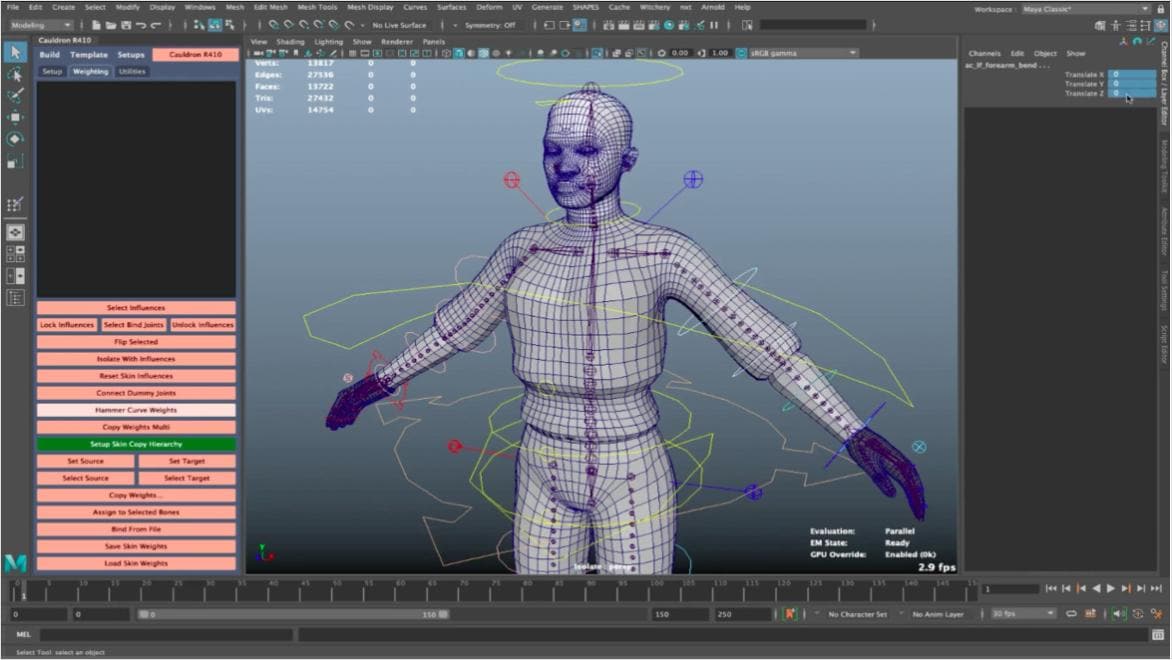
CGI stands for Computer-Generated Imagery. It refers to images, objects, characters, and environments created entirely using computer software.
Unlike VFX, CGI does not necessarily require live-action footage. It can be used independently to build entire digital worlds.
Where CGI Is Used
- Animated films
- Video games
- Product visualization
- Architectural rendering
- Virtual reality environments
The CGI process includes:
- 3D modeling
- Texturing
- Rigging
- Animation
- Lighting
- Rendering
CGI is a technology. VFX is an application that may use CGI.
This distinction is the foundation of understanding the difference between VFX and CGI.
Difference Between VFX and CGI
Here’s a simplified comparison:
| Aspect | VFX | CGI |
|---|---|---|
| Definition | Enhancing live-action footage | Creating digital visuals using software |
| Dependency | Requires real footage | Can work independently |
| Purpose | Add realism or fantasy to real shots | Build digital assets or full scenes |
| Usage | Films, OTT, ads | Animation, games, films, simulations |
| Technical Focus | Compositing & integration | Modeling, rendering & digital creation |
In simple terms:
- CGI creates digital content.
- VFX integrates digital content into real footage.
That’s the core difference between VFX and CGI.
How Animation Connects to VFX and CGI
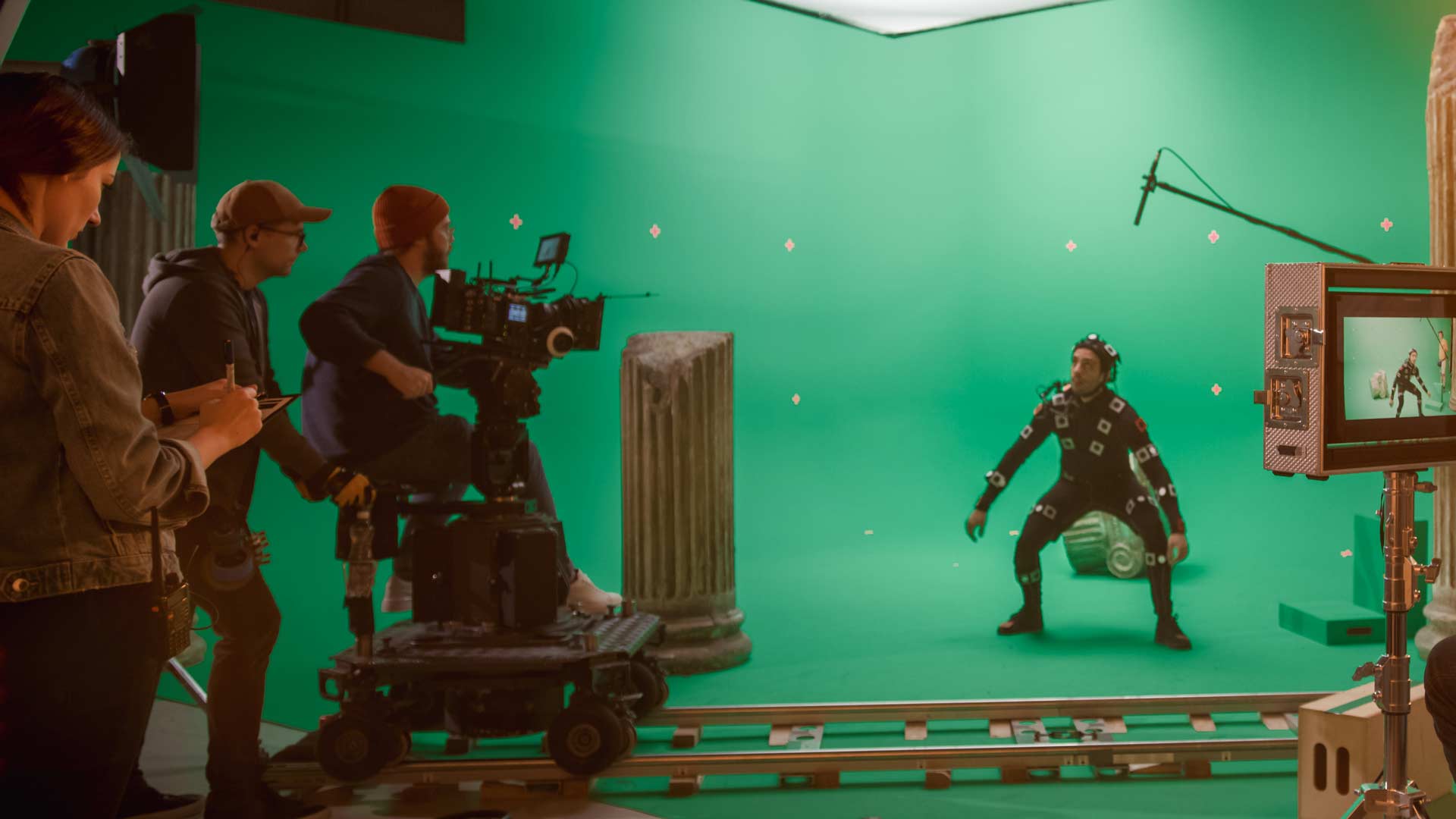
Animation is the art of creating motion. It can be:
- 2D (flat, frame-by-frame animation)
- 3D (depth-based digital animation)
CGI is often used in 3D animation. Meanwhile, VFX may include animated CGI elements inserted into real footage.
So while animation, VFX, and CGI overlap, they serve different purposes:
- Animation focuses on storytelling through motion.
- CGI is the technology used to create digital visuals.
- VFX enhances filmed content using CGI and other tools.
VFX vs CGI: Which Career Should You Choose?
If you enjoy:
- Technical detailing
- Realism
- Film production workflows
Then VFX might be the right path.
If you love:
- Character creation
- World-building
- Pure digital artistry
Then CGI and animation could be your direction.
Many professionals begin with a foundation course covering both CGI and VFX before specializing.
Why the Difference Between VFX and CGI Matters
Understanding this distinction helps in:
- Choosing the right career path
- Selecting the correct course
- Hiring the right professionals
- Planning production budgets
- Communicating clearly in creative projects
In large film productions, CGI artists and VFX artists collaborate closely. CGI builds the digital assets, and VFX integrates them into the final footage.
They are complementary, not competing disciplines.
Final Thoughts
The difference between VFX and CGI lies in function, not quality.
- CGI is about digital creation.
- VFX is about digital enhancement.
Both play a vital role in modern entertainment, advertising, and digital storytelling. Whether you aim to build imaginary worlds or seamlessly enhance real ones, understanding these technologies gives you a strong foundation in today’s creative industry.
If you’re planning to enter this field, start by mastering the fundamentals of digital design, 3D modeling, and compositing. From there, specialization becomes much clearer.
