

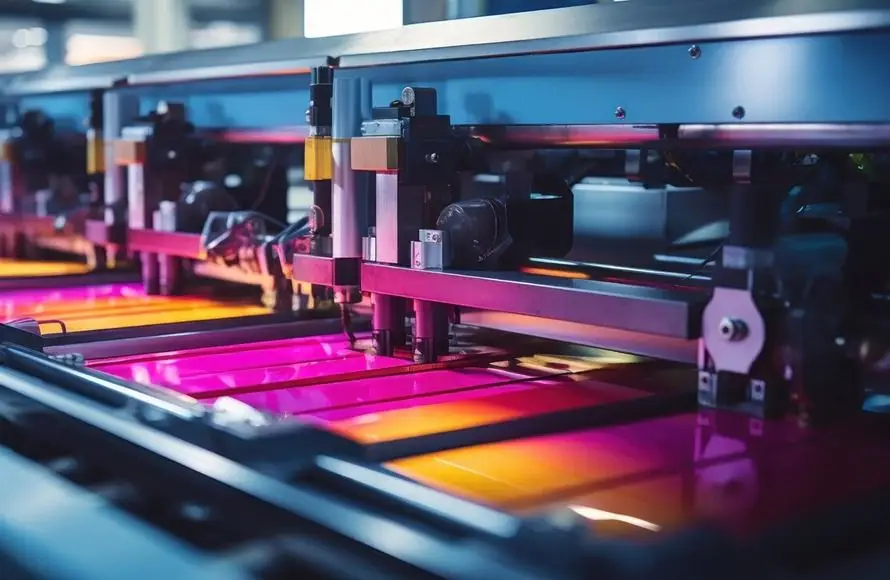
Print production plays a crucial role in transforming creative ideas into tangible assets like brochures, catalogs, and packaging. This structured process ensures that every design is accurately reproduced with precision, consistency, and high-quality output.
From layout creation to the final printed product, every stage requires coordination, technical expertise, and attention to detail.
What is Print in Today’s Landscape?
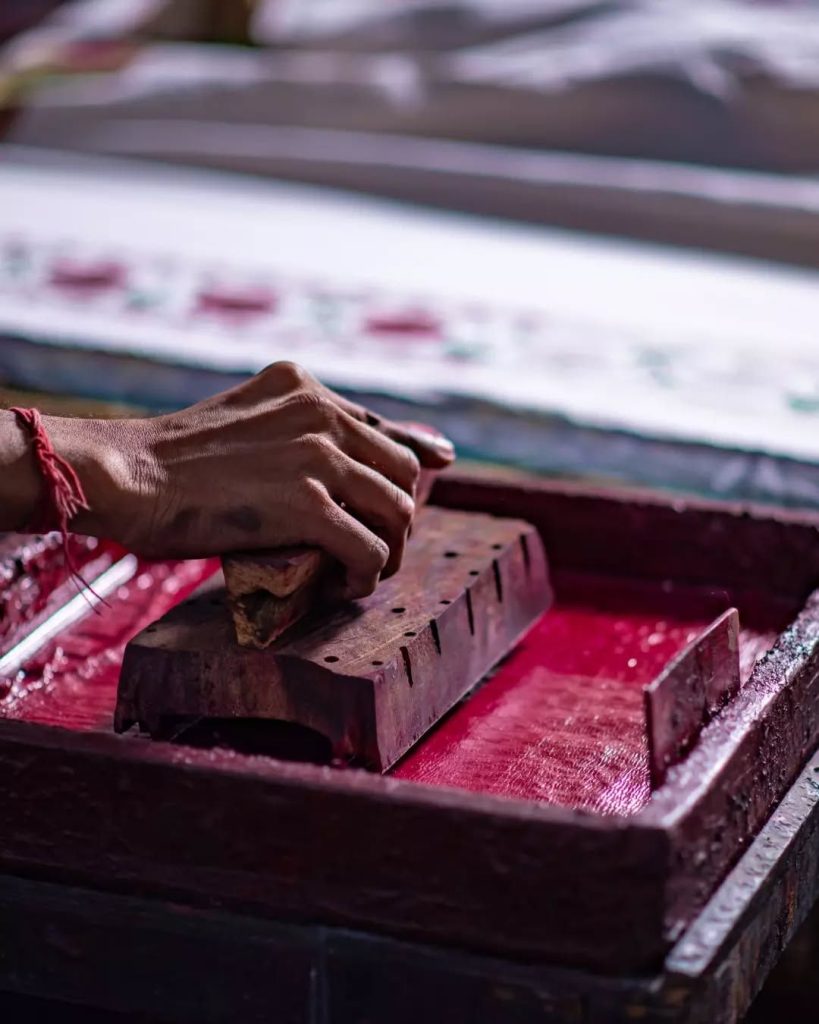
Print refers to transferring text and images onto a physical surface such as paper, fabric, or other substrates. Over time, this form of printing has evolved from traditional techniques like woodcut and stencil—used widely throughout East Asia and China in antiquity—to modern digital and offset methods.
Today, it remains an essential part of branding, marketing, and communication.
Why Print Production Matters
The print production process is the system that converts a digital design into a finished physical output. It involves multiple stages, including design, prepress, printing, and finishing.
A well-managed workflow ensures:
- Accurate color reproduction
- Strong durability of printed material
- Efficient production management
- Consistent print quality
This directly impacts how professional and reliable a brand appears.
Step-by-Step Print Production Process
1. Graphic Design and Layout
Every project begins with graphic design. Using design software like Adobe suite tools, designers create an original design that includes typography, images, and layout structure.
Important elements in this stage:
- Proper alignment of text and images
- Use of bleed and crop marks
- Optimized raster and vector graphics
A well-prepared layout ensures the file is print-ready and reduces errors later.
2. PDF File Preparation
Once the design is finalized, it is exported as a PDF file. This format maintains consistency in layout, fonts, and images.
Key considerations include:
- Embedding fonts
- Maintaining resolution for clarity
- Adding bleed and crop marks
- Ensuring accurate color profiles
This file acts as the foundation for the entire process.
3. Prepress Setup
Prepress is where the file is reviewed and prepared for the printing press. It ensures the output matches the intended design.
This stage includes:
- Creating and checking proof versions
- Color correction and adjustments
- Plate creation for offset printing
- Imaging and etching processes
In offset methods, plates transfer the inked image onto a rubber blanket and then onto the substrate using a cylinder.
4. Printing Methods and Execution
After prepress, the job moves to the printer or press. Different printing techniques are used depending on scale and requirements.
Offset Printing
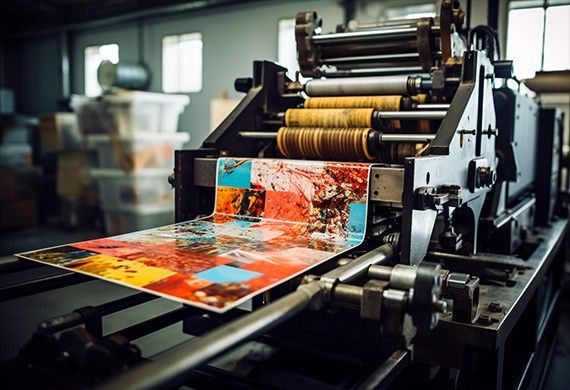
A widely used method for bulk jobs, known for precision and consistency. It uses plates, cylinders, and rubber blankets for transferring ink.
Digital Print
Ideal for short runs and quick delivery. A digital press or copier prints directly from the file without requiring plates.
Each method is selected based on budget, quantity, and turnaround time.
5. Ink Transfer and Image Reproduction
At this stage, ink is applied to reproduce text and images on the chosen substrate.
Key factors include:
- Ink consistency
- Plate alignment
- Controlled impression
The aim is to accurately reproduce the original design with clarity and sharpness.
6. Finishing and Final Output
After printing, the material undergoes finishing processes to enhance usability and appearance.
Common techniques include:
- Folding (including saddle folding)
- Trimming and cutting
- Binding and coating
This stage ensures the final printed product is polished and ready for use.
Optimizing the Workflow
An efficient workflow helps streamline operations and reduce errors.
Ways to improve efficiency:
- Automate repetitive steps
- Use standardized templates
- Conduct proof checks before final output
- Collaborate closely with your print shop
Automation tools can significantly improve turnaround time and consistency.
Factors That Influence Print Quality
Several elements affect the final result:
File Preparation
A properly structured, print-ready file ensures better output.
Color Accuracy
Correct color profiles help maintain consistency across batches.
Material Selection
The substrate affects durability and visual appeal.
Printing Technique
Different methods offer varying levels of precision and finish.
Attention to Detail
Elements like bleed, crop, and alignment directly impact the final product.
Common Applications
This process is widely used for:
- Marketing brochures and catalogs
- Promotional leaflets
- Packaging materials
- Textile printing
Each format requires a tailored approach based on its purpose.
Traditional vs Modern Techniques
Traditional Methods
- Woodcut and stencil
- Intaglio and engraving
- Early techniques used in antiquity
Modern Methods
- Offset printing
- Digital press technology
- Advanced imaging systems
Modern solutions focus on speed, scalability, and precision.
Best Practices for Success
To ensure successful outcomes:
- Always review proofs carefully
- Use high-resolution images
- Coordinate with your printer early
- Plan timelines effectively
- Ensure files are print-ready
These steps help produce high-quality printed materials consistently.
The Future of Print
The industry continues to evolve with trends like:
- Sustainable materials and eco-friendly ink
- On-demand digital print solutions
- Integration with cloud-based design software
- Personalized and full-color customization
These innovations are shaping the future of printed communication.
Conclusion
Print production is a structured process that transforms digital designs into physical formats with precision and consistency. By understanding each stage—from layout and PDF preparation to prepress, printing, and finishing—businesses can achieve better results and maintain strong brand quality.
Mastering this process ensures that every final product meets expectations and delivers a lasting impression.
